
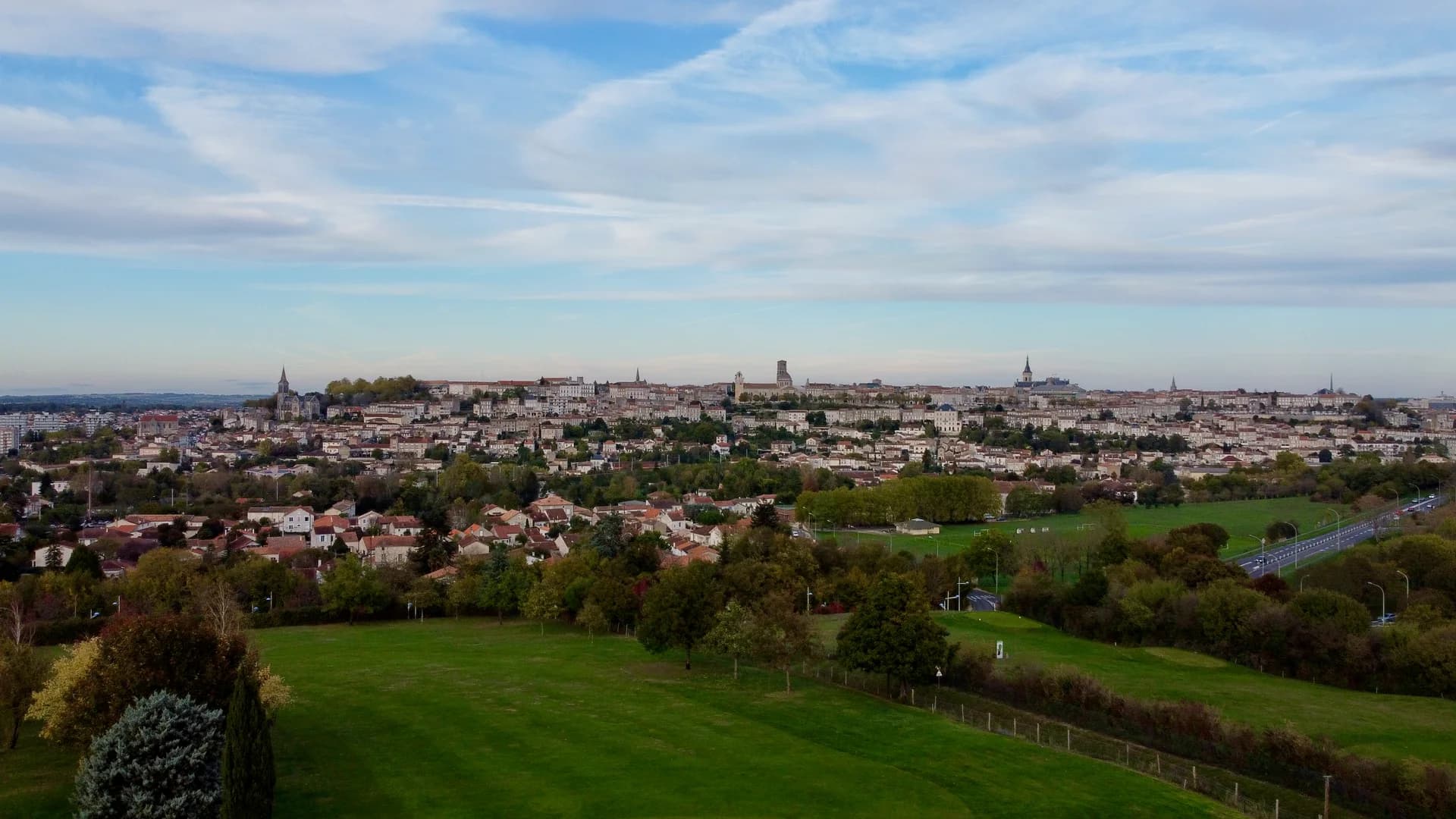
Blog
Angoulême, the overlooked city
A hilltop city shaped by centuries of history: beyond the Angoulême everyone knows lies a city worth exploring.
A city everyone knows
Angoulême has one great advantage: almost everyone has heard of it. And the reaction is nearly always the same: “Ah, the comics festival!”
Beyond comics, however, Angoulême is little more than a railway stop on the Paris–Bordeaux line for many people, a name glimpsed through the window before the journey continues. By car, it is often no more than a stop along the way to a holiday destination. That is the paradox: Angoulême is famous, yet still largely unknown.
The Angoulême International Comics Festival has given the city worldwide recognition. Others may think of the Francophone Film Festival or the Circuit des Remparts. But the city has far more stories to tell.
Angoulême does not reveal itself at first glance. To discover it, you have to leave the station behind, climb upwards and gain a little height. Only then does its geography become clear: the old town sits high above, perched on its rocky promontory overlooking the Charente.
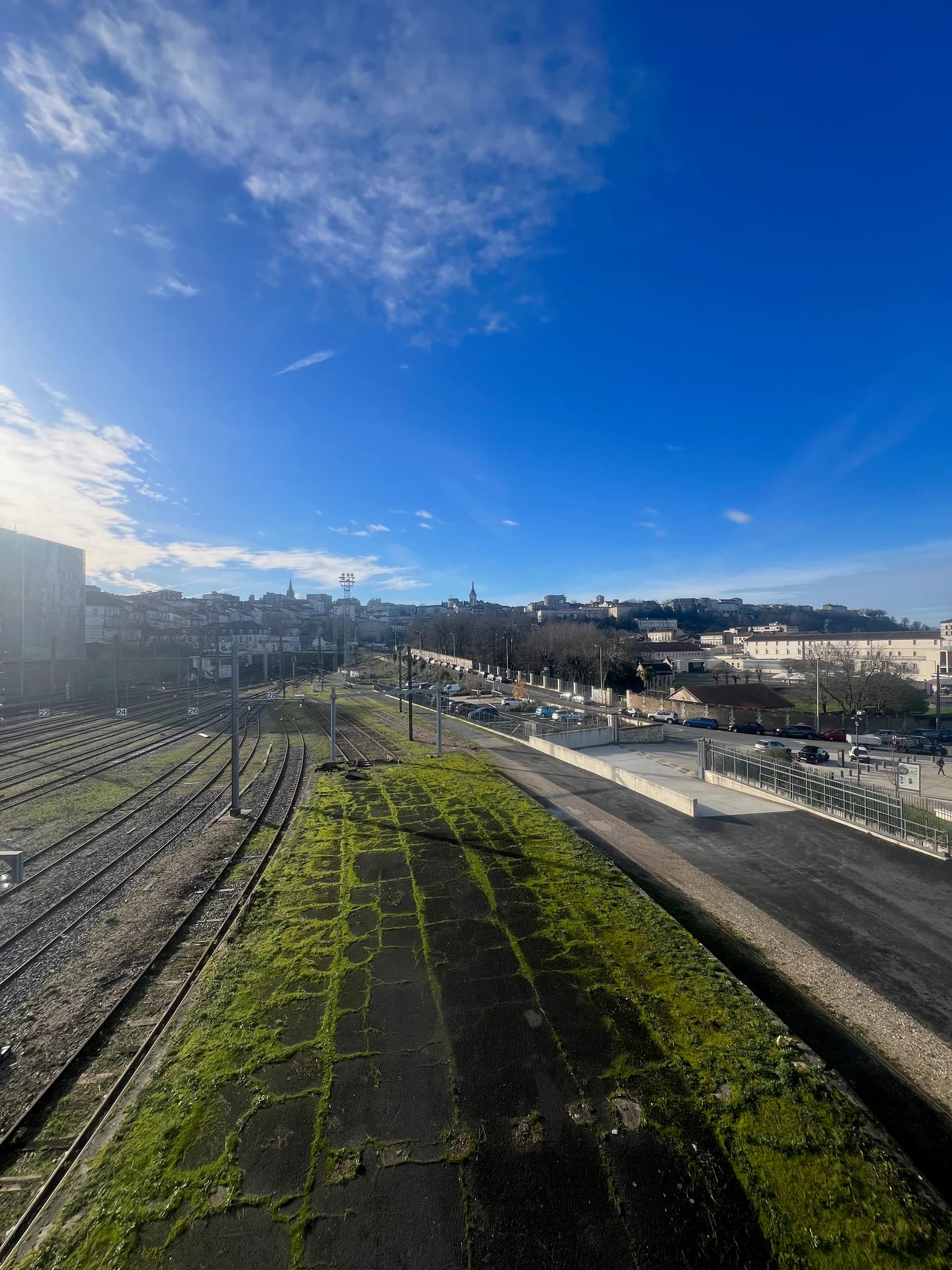
To discover Angoulême, you have to climb
The Plateau. That is what the people of Angoulême call the upper town. The site has long made an impression on those arriving in the city. In the nineteenth century, Balzac, who chose Angoulême as the setting for part of Lost Illusions, described it in these words:
“Angoulême is an old town built atop a sugarloaf-shaped rock overlooking the meadows through which the Charente winds.”
Once you are up there, it takes only a few streets to cross the historic heart of the city. The Plateau itself is quick to explore. Its history is not. And a curious visitor needs more than a few hours to begin to grasp its character.
For on this “sugarloaf-shaped rock”, the centuries have piled up: a cathedral, a remarkable network of churches, ramparts, private mansions and the former residences of the Counts of Angoulême. And behind those stones are queens, writers, clergymen, soldiers and figures whose destinies sometimes intersect with the history of France itself.
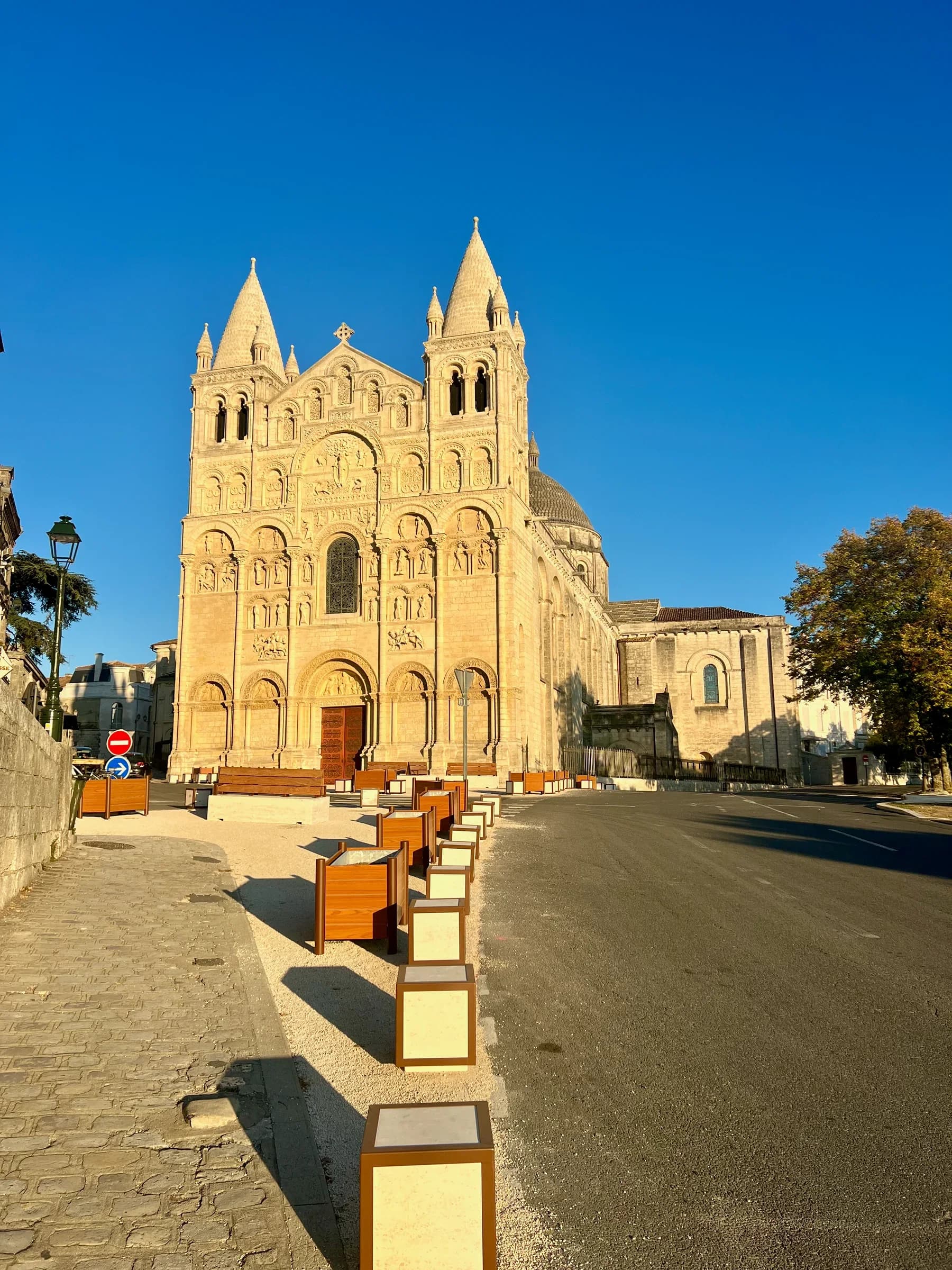
History is hidden in the details too
But beyond the grand sweep of history, there are quieter stories too: local curiosities, traditions and legends. Stories passed down over time, which the archives sometimes confirm, qualify or contradict.
Then there are the smaller traces still: a stone, a fragment of the past, a street name whose origin has been forgotten, a façade no one notices anymore, a vanished building of which almost nothing remains.
That is precisely the purpose of this site: to tell the story of a lesser-known Angoulême, to seek out the traces of its past that are still visible, and to linger over details we no longer notice.
Because Angoulême deserves more than to be a name on a train ticket, a stop along the way, or a few days of festival crowds.
It deserves to be lingered over.
Loading engagement